

- Home
- Post Single Template
Gorilla Trekking in Uganda: Everything You Need to Know
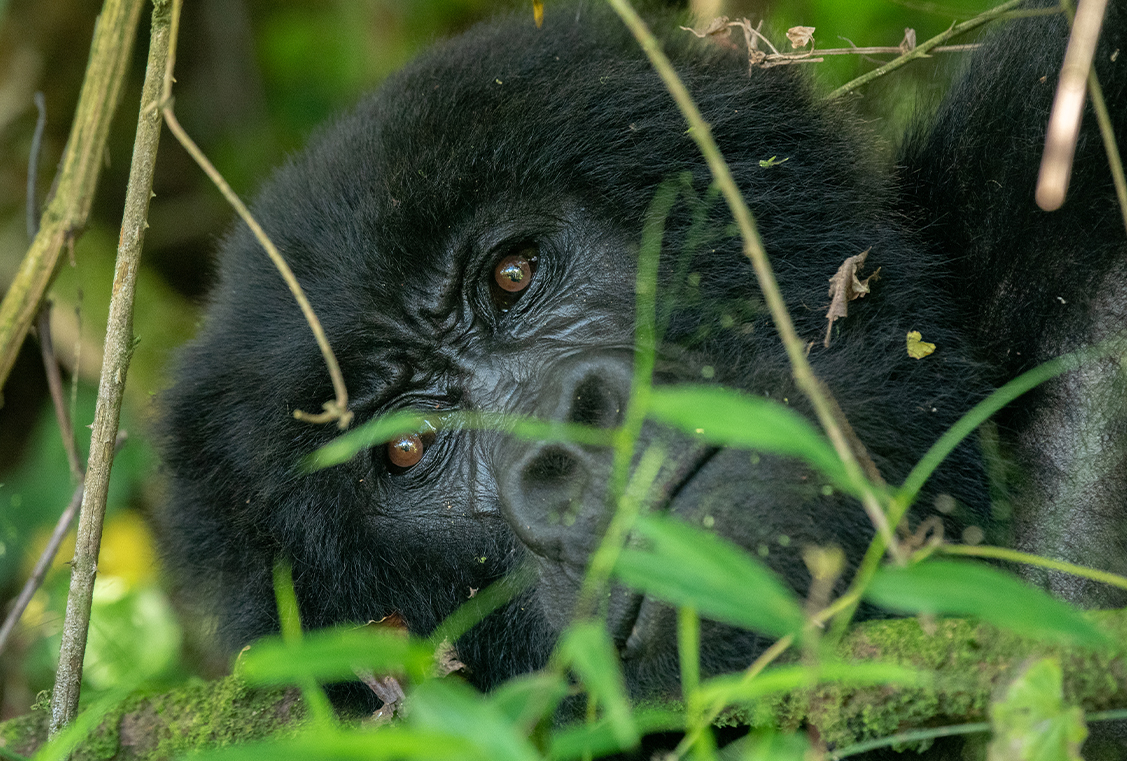
Gorilla trekking in Uganda is one of the most extraordinary wildlife experiences in Africa. Imagine walking through an ancient rainforest, surrounded by towering trees and the sounds of nature, before coming face to face with a family of endangered mountain gorillas.
For many travellers, this unforgettable encounter is the highlight of their Uganda safari. The experience combines adventure, nature, wildlife and conservation in a way few other activities can match.
Uganda is home to mountain gorillas in Bwindi Impenetrable National Park and Mgahinga Gorilla National Park, making it one of the world’s important destinations for gorilla tourism.
What Is Gorilla Trekking?
Gorilla trekking involves hiking through the rainforest in search of a habituated mountain gorilla family. Visitors are accompanied by trained guides and trackers who lead the trek and provide information about the forest and gorillas.
Once the gorilla family is located, visitors spend a limited amount of time observing them from a safe and respectful distance.
The trek itself can take several hours depending on the location of the gorilla family. The terrain can be steep, muddy and challenging, but the reward is an extraordinary wildlife encounter.
Where Can You Go Gorilla Trekking in Uganda?
There are two main destinations for gorilla trekking in Uganda.
Bwindi Impenetrable National Park
Bwindi is perhaps Uganda’s most famous gorilla trekking destination. The UNESCO World Heritage-listed forest is located in southwestern Uganda and is home to numerous gorilla families.
The forest is ancient, dense and biologically diverse. Besides gorillas, visitors may encounter various monkeys, birds, butterflies and other forest species.
Bwindi has several trekking sectors, meaning travellers can choose accommodation and trekking arrangements based on the location of their gorilla permit.
Mgahinga Gorilla National Park
Mgahinga is part of the larger Virunga conservation landscape shared by Uganda, Rwanda and the Democratic Republic of Congo.
The park is located in southwestern Uganda and is known for its dramatic volcanic scenery. It offers visitors the opportunity to combine gorilla trekking with other activities such as golden monkey tracking and volcano hiking.
How Difficult Is Gorilla Trekking?
The difficulty of a gorilla trek varies considerably. Some treks may involve relatively short walks, while others can require several hours of hiking through steep and challenging terrain.
Your fitness level, weather conditions and the location of the gorilla family all influence the experience.
Travellers should prepare for muddy trails and changing weather conditions. Good hiking shoes, comfortable clothing and a reasonable level of physical fitness are highly recommended.
Hiring a porter can also make the trek easier while providing an opportunity to directly support someone from the local community.
What Should You Pack for Gorilla Trekking?
Proper preparation can make your gorilla trekking experience more comfortable.
Essential items may include:
- Sturdy hiking shoes
- Long trousers and long-sleeved clothing
- Lightweight waterproof jacket
- Garden or hiking gloves
- Hat and sunscreen
- Insect repellent
- Drinking water
- Snacks
- Small backpack
- Camera and extra batteries
- Walking stick
Because conditions in the forest can change quickly, waterproof protection for your camera and other electronic equipment is also useful.
When Is the Best Time for Gorilla Trekking?
Gorilla trekking in Uganda can be enjoyed throughout the year. However, many travellers prefer the drier periods because forest trails can be easier to navigate.
Uganda’s tropical climate means rain is possible even during traditionally drier months, so visitors should always be prepared for changing weather.
Rather than choosing a date based only on weather, travellers should consider their overall itinerary, availability of permits and preferred travel arrangements.
Gorilla Trekking and Conservation
Gorilla tourism plays an important role in conservation. Revenue generated through regulated tourism helps support the protection of gorilla habitats and conservation activities.
Tourism also creates employment opportunities for guides, trackers, porters, drivers, accommodation providers and other people working within the tourism sector.
By visiting responsibly, travellers contribute to the continued protection of these endangered animals and the forests in which they live.
Respecting the Gorillas
Gorilla trekking is a carefully managed activity designed to protect both visitors and gorillas.
Travellers are expected to follow the instructions of their guides and maintain an appropriate distance from the gorillas. Visitors should avoid sudden movements, loud noises and actions that could disturb the animals.
Following the rules helps ensure that gorilla tourism remains sustainable for future generations.
Combine Gorilla Trekking with a Uganda Safari
One of the best things about travelling to Uganda is the opportunity to combine gorilla trekking with other experiences.
A traveller might begin with wildlife viewing in Queen Elizabeth National Park, continue to Bwindi for gorilla trekking and then relax around Lake Bunyonyi.
Alternatively, a longer itinerary could combine Murchison Falls, Kibale Forest, Queen Elizabeth National Park and Bwindi for a comprehensive Uganda adventure.
Plan Your Gorilla Trekking Adventure with F.S.S. Tour & Travel
Gorilla trekking requires careful planning, particularly when it comes to transportation, accommodation, permits and timing.
F.S.S. Tour & Travel can help you organize your Uganda gorilla trekking experience and combine it with other destinations and activities according to your travel interests and available time.
Whether you are looking for a short gorilla trekking trip or a complete Uganda safari, we can help you create a memorable journey through the Pearl of Africa.
Prepare for the adventure of a lifetime and discover the mountain gorillas of Uganda with F.S.S. Tour & Travel.